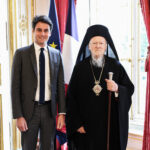
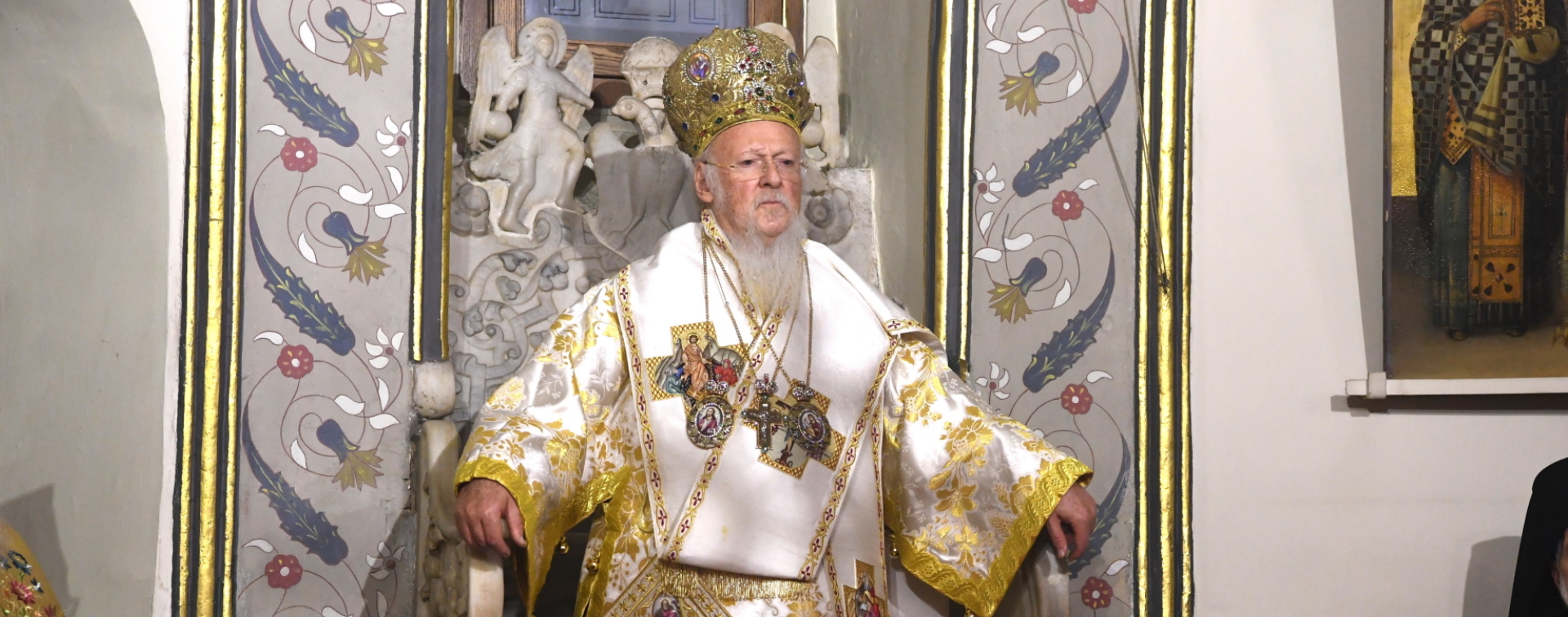

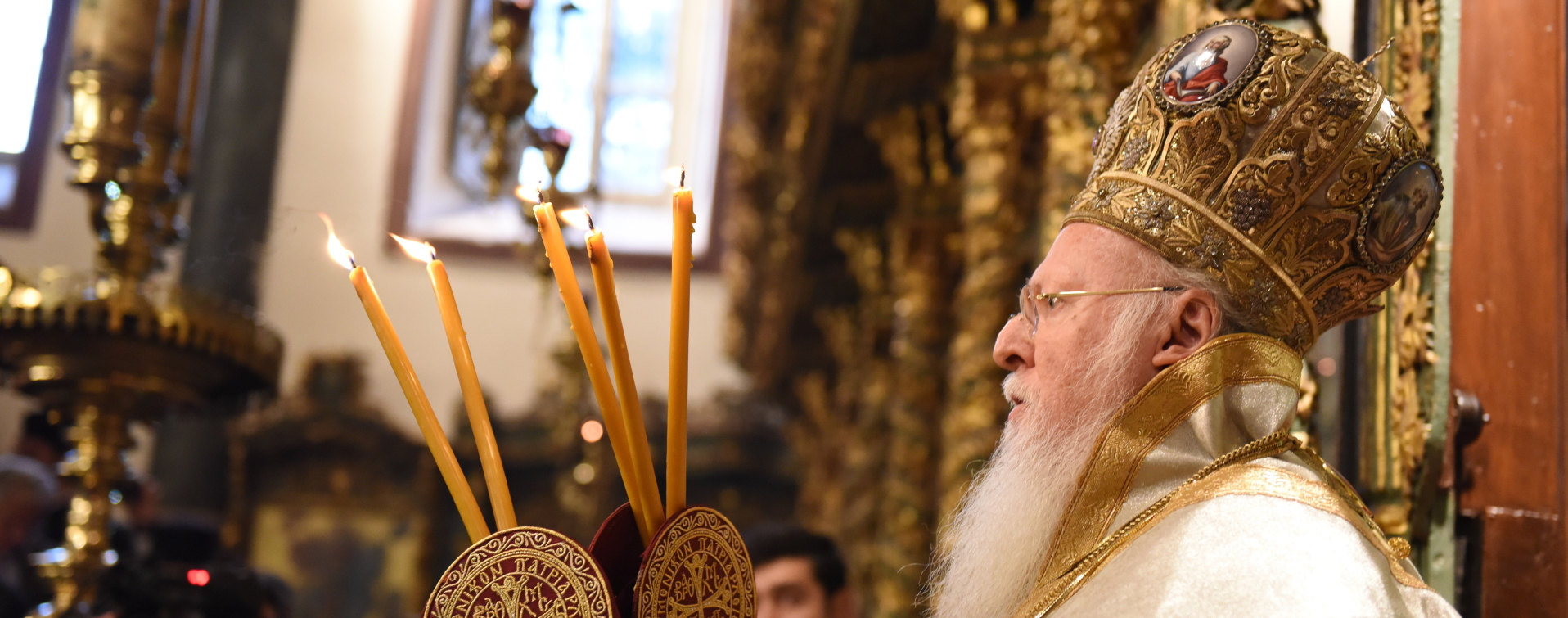

 24.04.2024Συνάντηση Οικουμενικού Πατριάρχου με τον Πρόεδρο της Γαλλικής Γερουσίας Posted in: Δελτία Τύπου Η Α.Θ. Παναγιότης ο Οικουμενικός Πατριάρχης κ.κ. Βαρθολομαίος, είχε επίσημη συνάντηση, το απόγευμα της Τρίτης, 23 Απριλίου 2024, με τον… Περισσότερα 24.04.2024Συνάντηση Οικουμενικού Πατριάρχου με τον Πρόεδρο της Γαλλικής Γερουσίας Posted in: Δελτία Τύπου Η Α.Θ. Παναγιότης ο Οικουμενικός Πατριάρχης κ.κ. Βαρθολομαίος, είχε επίσημη συνάντηση, το απόγευμα της Τρίτης, 23 Απριλίου 2024, με τον… Περισσότερα