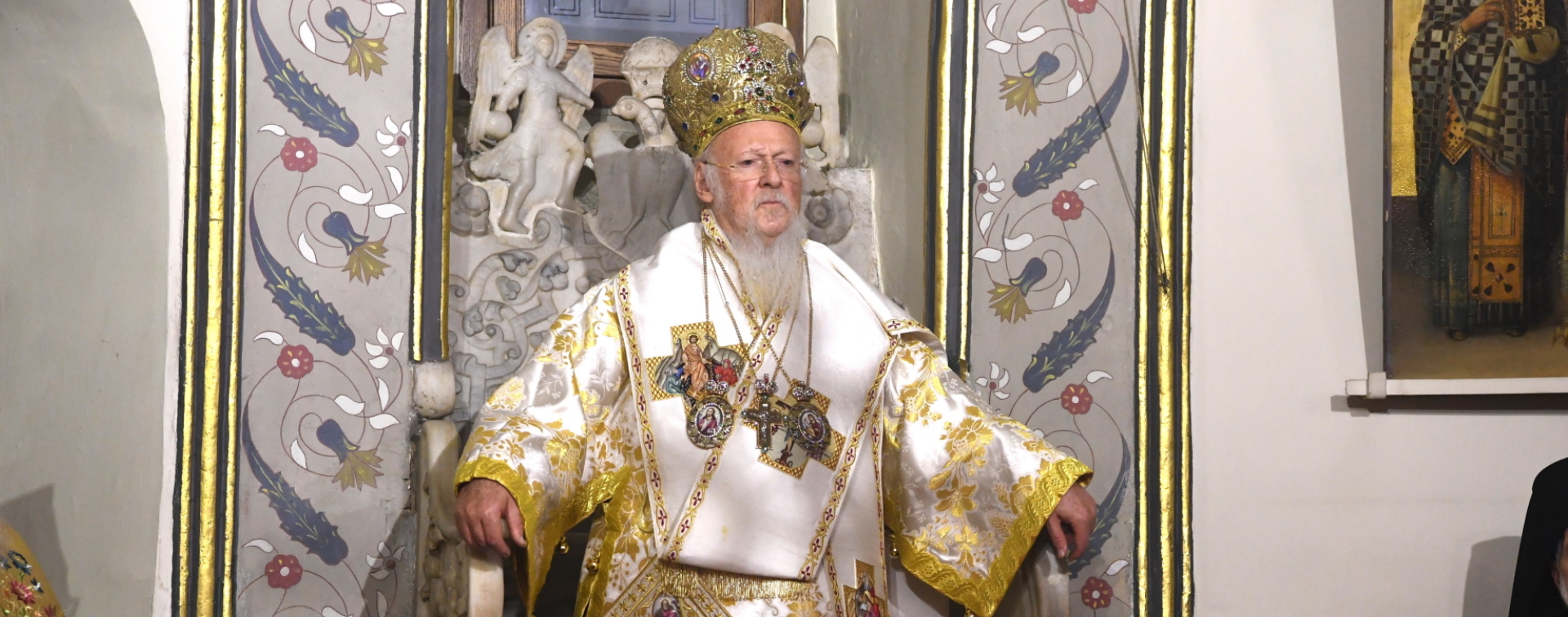

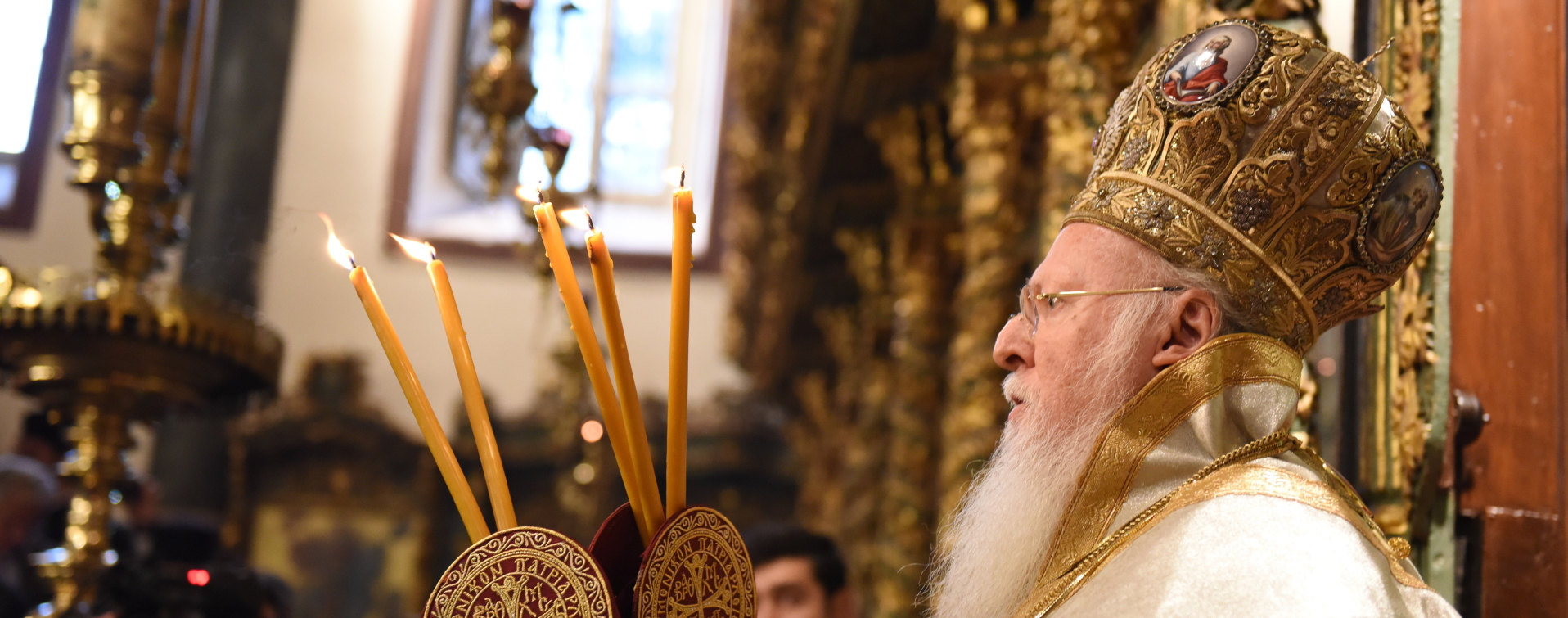

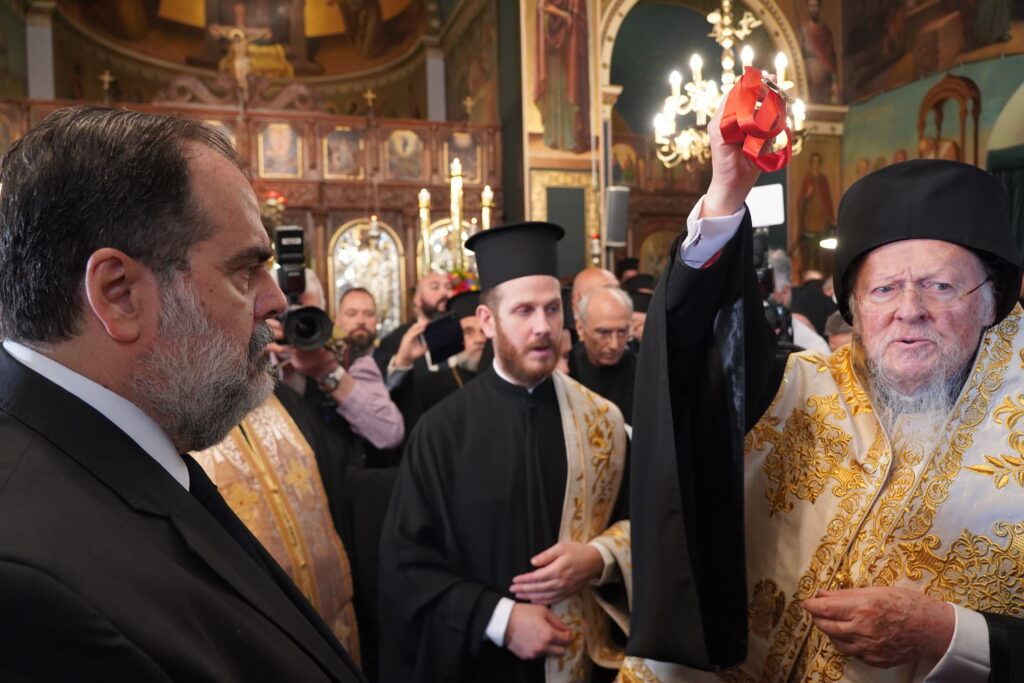
 18.04.2024Ο Οικουμενικός Πατριάρχης χειροθέτησε στο Οφφίκιο του Άρχοντος Ευταξία τον Εντιμολ. κ. Νικόλαο Πατέρα Posted in: Δελτία Τύπου Η Α.Θ. Παναγιότης ο Οικουμενικός Πατριάρχης χειροθέτησε την Πέμπτη, 18 Απριλίου 2024, στον Ι. Ναό Αγίου Νικολάου του Οικουμενικού Πατριαρχείοου,… Περισσότερα 18.04.2024Ο Οικουμενικός Πατριάρχης χειροθέτησε στο Οφφίκιο του Άρχοντος Ευταξία τον Εντιμολ. κ. Νικόλαο Πατέρα Posted in: Δελτία Τύπου Η Α.Θ. Παναγιότης ο Οικουμενικός Πατριάρχης χειροθέτησε την Πέμπτη, 18 Απριλίου 2024, στον Ι. Ναό Αγίου Νικολάου του Οικουμενικού Πατριαρχείοου,… Περισσότερα